
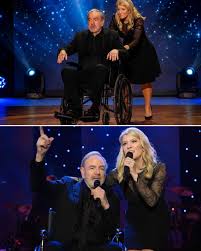

The lights drop. A single note hangs in the air. And suddenly, the room belongs to him again.
For half a century, Neil Diamond has been the quiet thunder behind our most unforgettable moments. Not just a performer, but a keeper of human feeling — love that aches, hope that insists, longing that refuses to die. From kitchen radios to stadium anthems, from wedding first dances to midnight drives where you whispered the words to yourself, his songs carved a path through the heart and never left.

It starts, as all the great American stories do, with a melody and a map. A Brooklyn kid with a notebook full of lines that felt too true to keep inside, writing for other people until the words needed his voice — that warm, weathered baritone where comfort and confession meet. Then the records began to land: “Cracklin’ Rosie,” with its grin that hides a bruise. “I Am… I Said,” a cry so naked it feels like a secret you’ve told no one. “Hello Again,” the late-night dial tone of a heart that still believes. And of course, “Sweet Caroline,” the song that doesn’t just play — it takes over.
We’ve seen what it does. A thousand strangers in a ballpark become a single choir, syllables bouncing off steel and sky — so good, so good, so good — and for a fleeting chorus, everybody belongs to everybody. That’s the Diamond magic. He writes about one person, and somehow the whole world hears itself.
But the numbers alone — the Top 40 streaks, the sold-out arenas, the multi-platinum walls — can’t explain why his catalog feels less like a discography and more like a family album. It’s the way he sings about people as they are, not as we pretend to be: the messy, brave, beautiful ordinary. The husband who stopped bringing flowers. The lonely soul who still picks up the phone. The dreamer who believes there is always a destination called “America,” even if it’s just a promise carried in your chest.
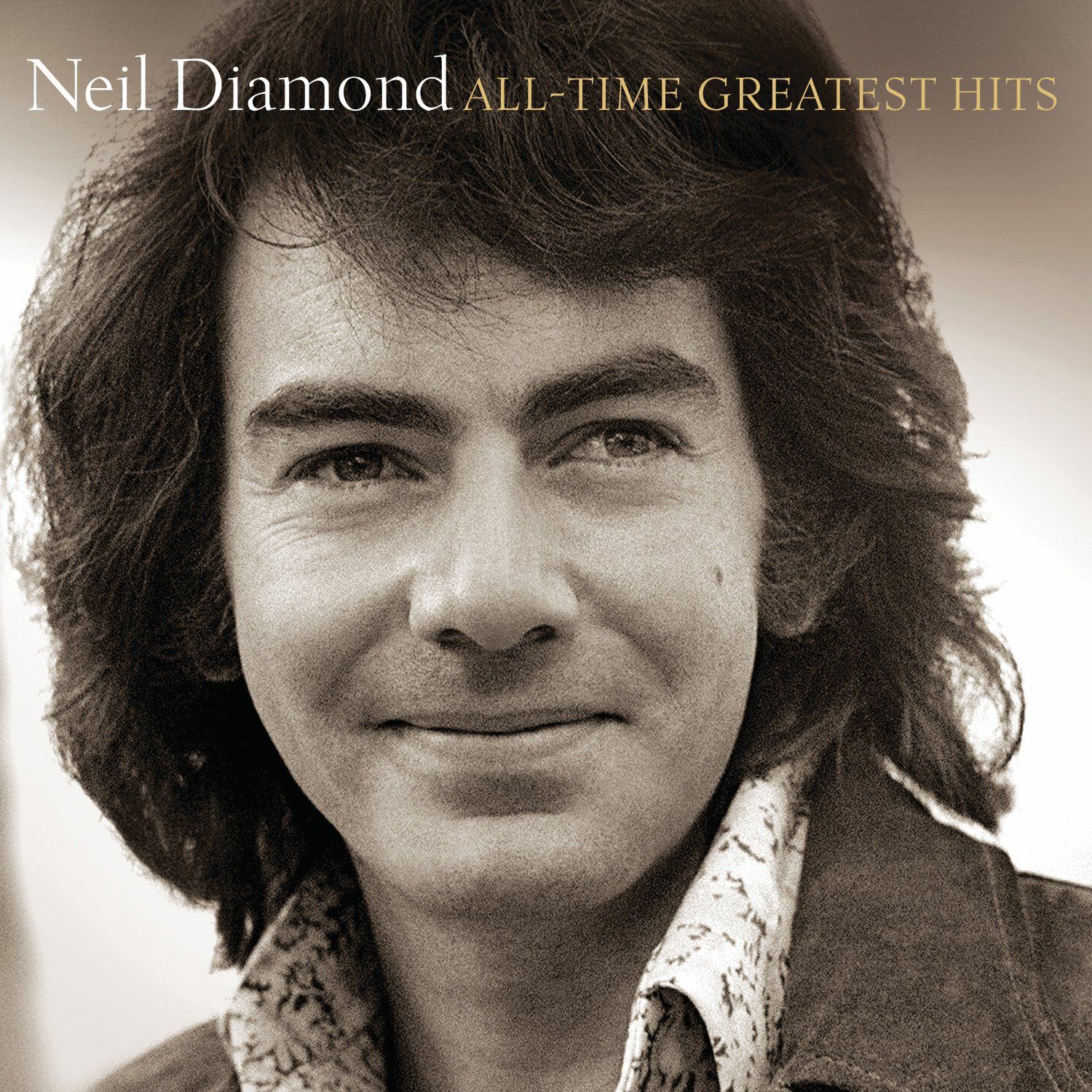
“America” is the proof. It’s more than a patriotic surge; it’s a migrant’s heartbeat, a suitcase of faith. The drums come in like an engine starting. The strings lift like the first glimpse of coastline. By the time the chorus arrives, you aren’t just listening — you’re arriving. For immigrants, for their children, for anyone who’s ever crossed a border of the spirit, it’s an anthem of becoming. No wonder generations stand taller when it plays.
And then there’s the intimacy — the way he can shrink an arena to a living room. When he leans into “Hello Again,” the lights seem softer, the crowd quieter, as if you’ve been invited into a memory too fragile to hold. “Song Sung Blue” turns sadness into a lullaby; “Love on the Rocks” turns truth into a mirror you can finally face. Diamond never scolds or poses. He just tells the story and lets you breathe inside it.
Time, of course, keeps its own beat. The touring stopped; the spotlight softened. Bodies change, hands tremble, but the music — the music stays young. When he appears now, seated, smiling with that mischievous glint of a man who knows he carried a million lives in his melodies, the ovation feels like a wave returning to shore. You sense a pact in the room: we will sing what you can’t, carry what you gave us, be the echo that keeps the note alive.
Because his legacy isn’t simply in the master tapes; it’s in us. It’s in the father swaying with his daughter at a backyard wedding, both pretending not to cry. It’s in the grandmother humming along in the kitchen because the lyric remembers her first summer better than she can. It’s in the friend group belting a chorus on a road trip at 1:17 a.m., windows down, future wide. It’s in the hush that falls over a crowd when the opening guitar of “I Am… I Said” shivers across the room and everyone knows that a soul is about to speak.
Fifty years sounds like a measure of time. For Neil Diamond, it’s a measure of trust. We trusted him to tell the truth about love — that it lifts and it breaks, that it forgives and forgets and sometimes can’t do either. We trusted him to make the ordinary radiant. And he trusted us to meet him halfway, to sing the easy parts and sit with the hard ones, to become the choir that finishes the song.
So when the headlines say “legacy,” don’t think marble halls and dusty trophies. Think voices, thousands of them, stitched together by a melody we all somehow know by heart. Think of how “Sweet Caroline” can pull a smile out of a bad day like a magician’s scarf. Think of the way “America” makes your chest feel larger, as if hope can expand a ribcage. Think of the last time a lyric found you in the dark and offered its hand.
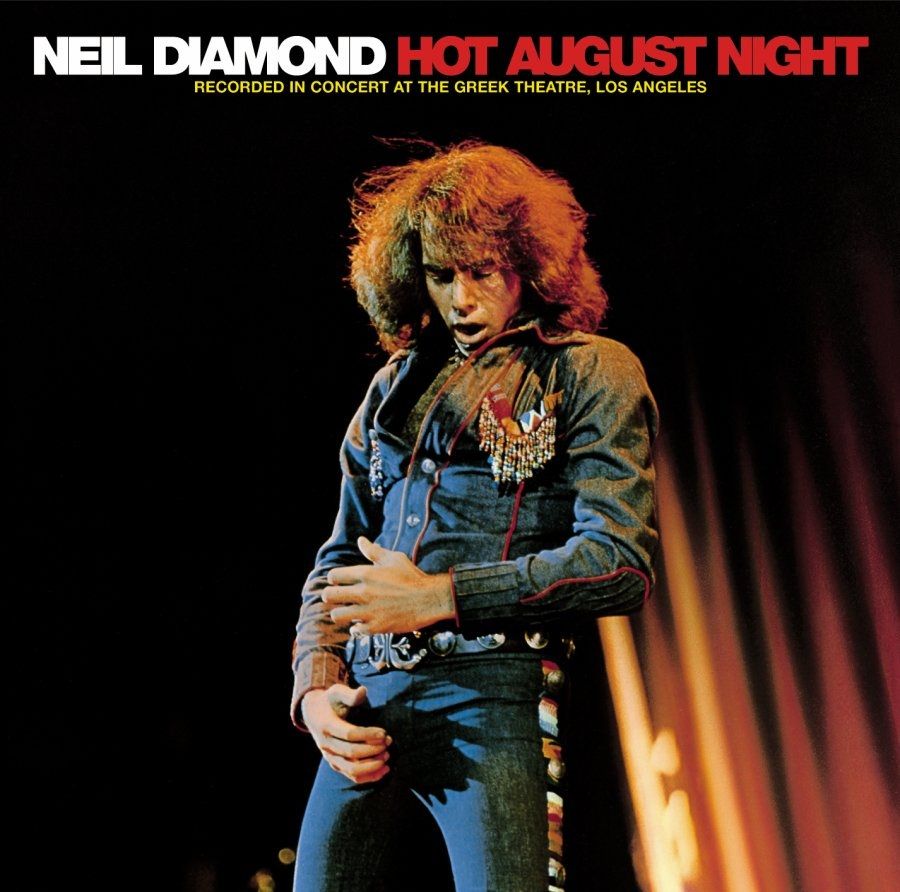
The spotlight dims. The man in the chair waves, and the ovation goes on a little longer than it should because nobody wants to be the first to let go. But the song doesn’t end here. It moves to ballparks and breakfast tables, to playlists and porch swings, to the quiet hours where memory does its best work. That’s the truth of a life in music: if you have given the world your heart, the world will keep it beating.
Neil Diamond didn’t just leave hits behind. He left companions. He left a chorus for the lonely and a banner for the brave. He left proof that sincerity still wins, that a well-placed word can hold a life together, that the right melody can find its way into every room you’ve ever loved.
The curtain falls. The guitar rests. Somewhere, a needle drops — or a file loads — and a voice you know as well as your own clears the silence.
Hello again.