
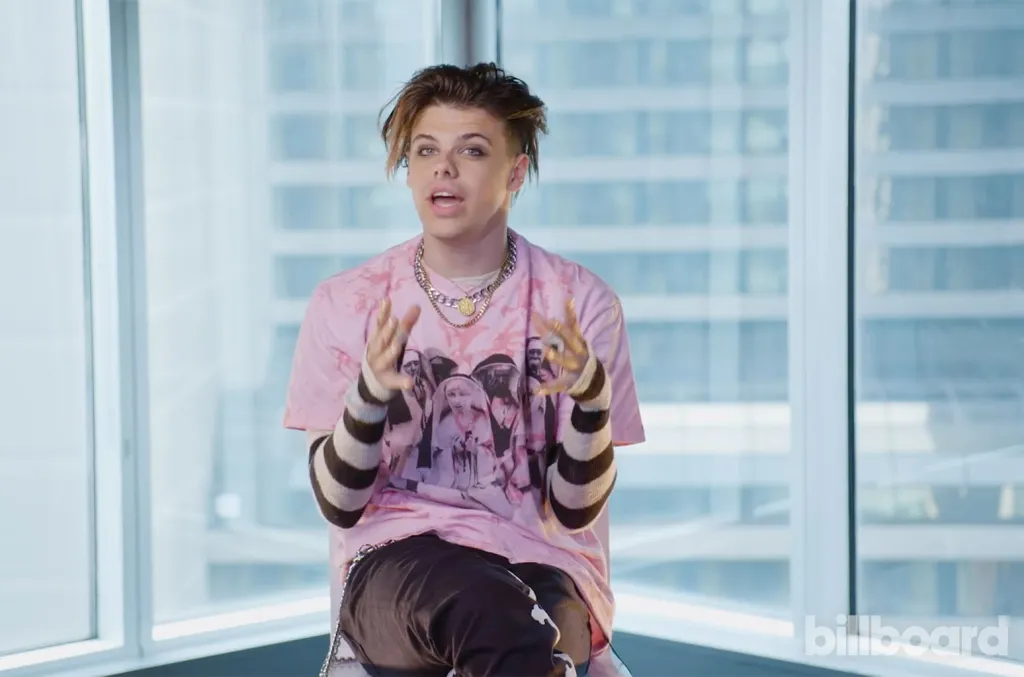

For years, behind the eyeliner, the firecracker energy, and the rebellious anthems, he carried an unbearable weight of self-doubt and pain. But in a new, emotional confession, he revealed that his healing didn’t come from a hospital, a prescription, or a headline-grabbing rehab story. It came from something much simpler — and far more powerful.

“The truth is,” he admitted, “music was my medicine, but connection was my cure. Every time I felt like giving up, I’d meet someone after a show who told me my songs kept them alive. And I realized… maybe that’s the reason I’m still here too.” His words struck a chord far beyond his usual audience, turning a private struggle into a universal message of survival.

Rather than framing his recovery as a battle he fought alone, Yungblud insisted that the real treatment was vulnerability — daring to be seen, daring to share, and daring to accept love without shame. He urged his fans, especially the young people who look to him as a lifeline, to resist the stigma of silence. “Don’t be afraid to say you’re not okay,” he told them. “The world makes us think weakness is failure, but the bravest thing you’ll ever do is admit you need someone.”

In stripping away the rock-star armor and offering his raw truth, Yungblud gave the world a different kind of anthem — not one shouted from the stage, but whispered from the heart: healing is possible, connection saves, and no one should ever have to fight alone.