
Background
Originally released in 1967, “A Whiter Shade of Pale” stands as the signature song of Procol Harum, co‑written by frontman Gary Brooker, lyricist Keith Reid and organist Matthew Fisher. Over the decades the song has maintained its iconic status—its Bach‑influenced organ, Brooker’s solemn vocal delivery, and the haunting lyricism all contributing to its lasting power.
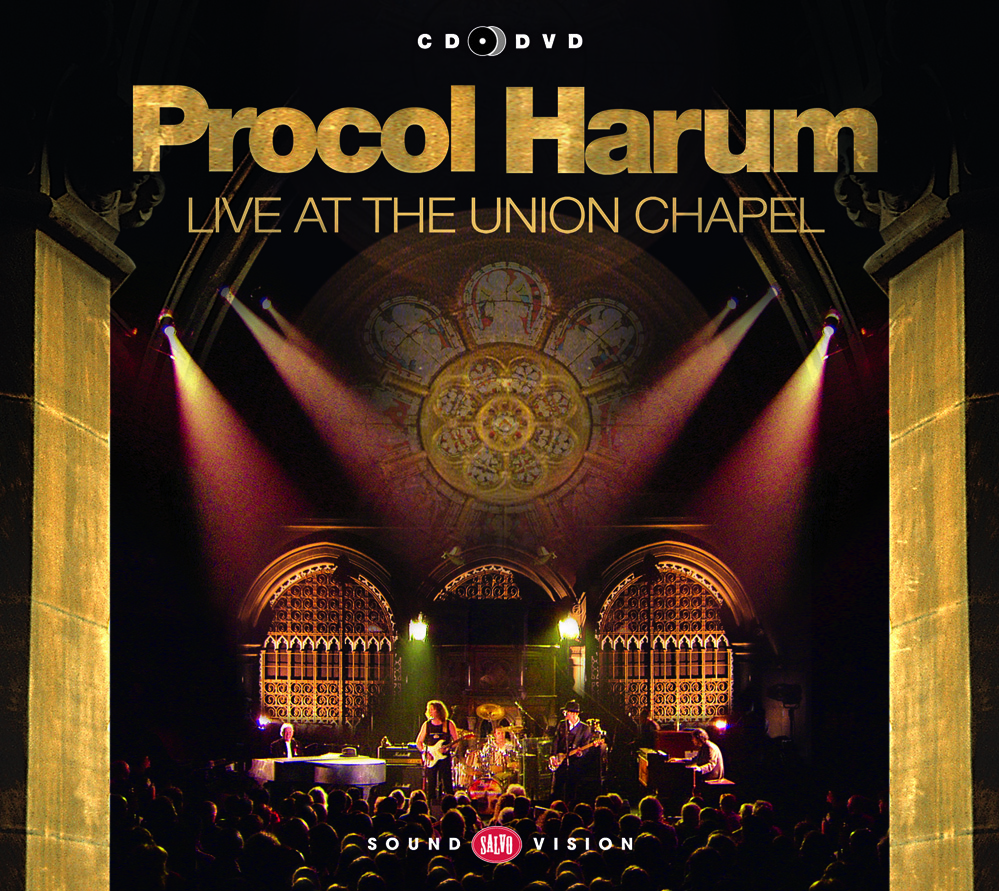
In 2004, Procol Harum released the live album/DVD Live at the Union Chapel, recorded 12 December 2003 at the Union Chapel in Islington, London. On that release, “A Whiter Shade of Pale” appears as the closing track. The live version on this release is of particular interest: it features three verses (rather than the original two) and stands as the last album to include Matthew Fisher.
Thus while strictly speaking a discrete “2004 live show” video may be harder to document, it is fair to treat the 2004 release as the key live offering of that era.
The Performance
The live rendition captures the full gravitas of the studio original, while bringing the additional sheen of a seasoned live band. Key aspects include:
-
Vocal delivery: Gary Brooker’s voice remains rich, confident and emotionally intact. Critics noted that his voice “has not altered one iota since 1967.”
-
Organ work: Matthew Fisher’s organ playing highlights the signature motif of the original, and in a live setting the organ’s presence is more expansive, filling the venue with its characteristic swirl of baroque echo.
-
Arrangement: The inclusion of a third verse gives the song extra breadth live; the performance breathes more, with subtle dynamic shifts that the live context allows.
-
Atmosphere: The setting (Union Chapel being both intimate and grand) gives the performance a resonant, almost ecclesiastical quality. Reviewer Kevin Bryan described the full live album as “richly rewarding.”
-
Audience interaction / ambiance: While much of the performance remains faithful to the original, the live context adds small touches — longer instrumental passages, slightly loftier organ sustain, and the audience reaction adding to the overall emotional impact.
Significance
This live version holds significance on several levels:
-
Historical book‑ending: It marks the last time Matthew Fisher appears on a Procol Harum album, making this version of the song a kind of closing chapter for one of its original architects.
-
Maturity of performance: Nearly forty years after the song’s original release, the band performs it with authenticity and confidence—not as a relic, but as a living work. The fact that critics still commend Brooker’s voice underscores how the performance avoids nostalgia in favour of immediacy.
-
Fan value: For longtime fans, hearing the song rendered in this live setting—with three verses, with full band dynamics and the live room ambience—offers a fresh perspective on a familiar classic.
-
Document of the era: In the early 2000s, performing such a towering classic could risk being purely retrospective. Yet this version shows how the band sustained the song’s power, reaffirming its place in their live repertoire.
Critical Notes
The release has been generally well‑received, though some reservations have been voiced:
-
The sound quality has been criticised by some: reviewer Christel Loar rated the live album 6/10, citing that though the performance is fine, the audio production lacks some polish.
-
For listeners seeking radical reinterpretation, the live version remains fairly faithful to the original. In other words, its strength is in fidelity and performance rather than reinvention.
Conclusion
The 2004 live performance of “A Whiter Shade of Pale” by Procol Harum stands as a compelling affirmation of the song’s enduring power. It balances faithful homage to the original with live energy, executed by a veteran band still in command of its craft. For anyone curious about how a classic can evolve into its live mature form, this version is a strong reference point.
🎤 1. Staging & Atmosphere
The concert was held at the Union Chapel in Islington, London—a venue both intimate and dramatic, given its Gothic architecture and church‑setting feel.
This setting gives the performance a somewhat reverent quality: when the band launches into the familiar organ motif, the space’s acoustics and ambient hush amplify the mood.
Standout moment (~00:00‑~01:30): the opening organ flourish by Matthew Fisher is more spacious than the studio version. You’ll hear it fill the venue—sustained chords hang in the air.
2. Instrumentation & Arrangement
-
The organ remains central: Fisher’s playing evokes the original Bach‑inspired motif but in this live setting there is more resonance and subtle dynamic swell (particularly after the second verse).
-
Guitar, bass and drums support rather than dominate; the band holds back to let the organ/piano/vocals shine.
-
Notably: this is the only album version where “A Whiter Shade of Pale” includes three verses instead of the usual two.
Standout moment (~03:40‑~05:00): after the second verse the band shifts slightly—there’s a gentle build‑up into the third verse. The bass and drums lay back; the organ rises a little more noticeably.
3. Vocal Delivery
Gary Brooker’s voice in this live version carries both precision and age‑sufficient maturity: the tone is warm, confident, and the phrasing very clear. Reviewers noted his voice “has not altered one iota” since early days.
Standout moment (~02:10‑~03:00): the lead‑in to the second verse — Brooker holds the notes, especially on “Skip the light fandango”, and you can sense the live audience reacting (a soft intake of breath) before the drums re‑enter.
4. Crowd Interaction & Emotional Impact
The crowd seems engaged but respectful; this isn’t a wild rock‑show atmosphere but more of a shared moment of recognition of a classic. The intimate venue allows slight audience sounds (claps, a few cheers) but they don’t dominate.
Standout moment (~05:45‑~06:30): as the final verse ends, there is a quiet swell: the organ holds out a long chord, the band pauses slightly, then a subtle applause rises. The emotional moment is enhanced by the live acoustics.
5. Differences from the Studio Version
-
Extra verse: As mentioned, the three‑verse structure gives the song extra length and weight.
-
Acoustic ambience: The organ reverberates more; silences between parts feel longer, more dramatic.
-
Intentional restraint: The live band doesn’t attempt radical reinterpretation; they favour fidelity. This means listeners who know the studio version will feel they’re hearing a refined, live mature version rather than a reinvention.
-
Venue resonance: The church‑venue acoustics give the performance a quasi‑sacred feeling—something you may not get in a standard concert hall.
6. Recommended Time‑Markers for Listeners
Here are suggestions if you want to listen and follow along:
-
0:00–1:30 — Organ opening, setting of mood.
-
1:30–2:10 — Brooker’s first verse; vocals establish the core.
-
2:10–3:00 — Second verse lead‑in; note vocal phrasing.
-
3:00–5:00 — Transition into third verse (unique to this version); instrumental build.
-
5:00–6:30 — Final verse, extended organ outro, audience reaction.
-
6:30+ — Band wraps up; subtle fade of ambience.
7. Why It’s Worth Your Attention
-
It captures a mature rather than youthful band performing one of their signature songs, with both reverence and technical polish.
-
The extra verse gives fans of the song something new (or less often heard) in a live context.
-
The recording venues and conditions (intimate church rather than arena) allow listening nuances: you can hear more space, more quiet between notes, more atmosphere.
-
For historical interest: this album is the last to include Matthew Fisher, making the version historically significant.