
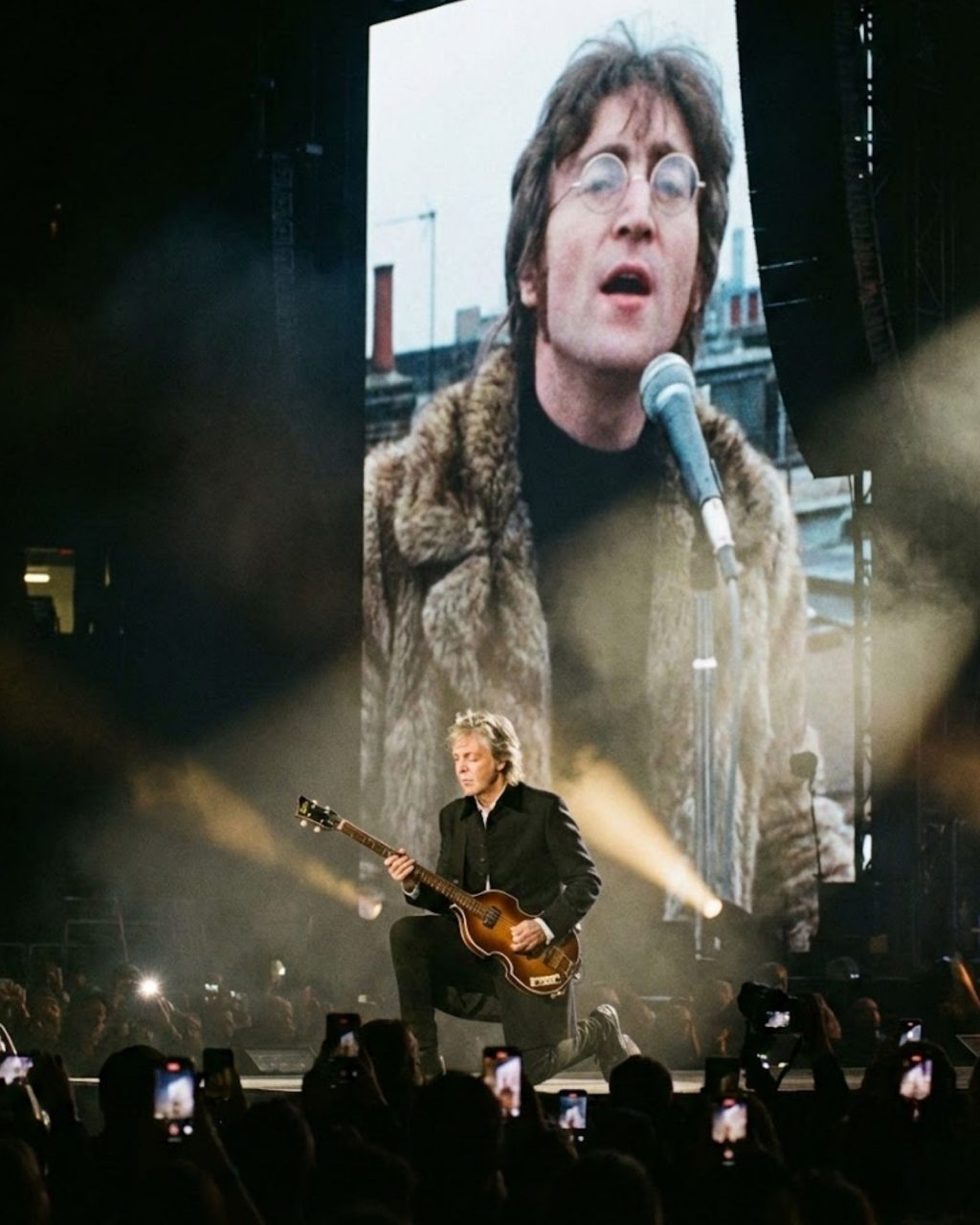

The mud of Glastonbury has seen history before. It has seen Bowie in his prime, the Rolling Stones in their swagger, and Adele in her heartbreak. But on a Saturday night in June, under the pitch-black English sky, the Pyramid Stage didn’t just host a concert. It hosted a séance.
Sir Paul McCartney stood center stage. At nearly 80 years old, he is the custodian of the greatest songbook in human history. He has played the hits a million times. He has smiled for the cameras for six decades. But as he adjusted the strap of his iconic Hofner bass, something in his demeanor shifted. The practiced showman vanished, replaced by a man who looked… lonely.
The Weight of Silence
For decades, the story of The Beatles has been defined by what was lost. The tragic end of John Lennon in 1980 left a permanent scar on music history, a sentence that was cut off mid-paragraph. Paul McCartney has spent forty years answering questions about John, honoring John, and missing John.
But he had never been able to play with him again. Until now.
As the opening chords of “I’ve Got a Feeling” rang out—a gritty, bluesy track from the Let It Be sessions—the crowd expected a standard solo rendition. Paul sang the first verse, his voice aged like fine oak, raspy but full of soul.
Then, he stopped singing.
The Ghost on the Screen
A hush fell over the crowd of 100,000 people. It wasn’t a technical glitch. Paul stepped back from the microphone, looking over his shoulder.
Behind him, the colossal LED screens flickered to life. But it wasn’t a graphic or a light show. It was footage from the famous 1969 Rooftop Concert. There, towering fifty feet high, was John Lennon. He was young, bearded, wearing his wife’s fur coat to fight the London chill, peering through those round wire-rimmed glasses.
And then, John sang.
“Everybody had a hard year…”
The audio wasn’t a muddy recording from a dusty tape. Thanks to Peter Jackson’s “de-mixing” technology developed for the Get Back documentary, John’s voice had been isolated. It was crystal clear, piercing, and alive.
Paul stepped back to the mic to answer him: “Everybody had a good time…”
A Miracle in Three Minutes
For the next three minutes, time collapsed. The year wasn’t 2022; it wasn’t 1969. It was a suspended moment in eternity where death held no power.
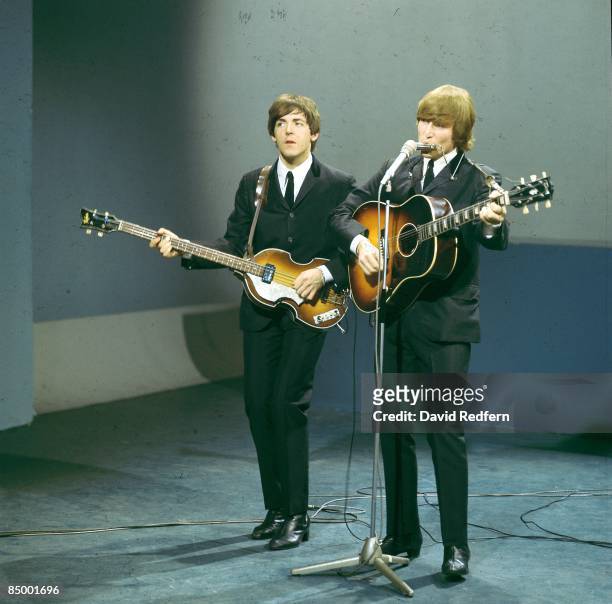
On stage, Paul wasn’t looking at the audience. He was turning repeatedly to look at John. He was smiling—not the polished smile of a Beatle, but the goofy, genuine grin of a schoolboy playing in a garage with his best mate. He was following John’s lead, locking into the rhythm, trading vocals just like they used to do in Liverpool.
In the audience, the reaction was visceral. Cameras caught grown men wiping tears from their faces. Strangers hugged each other. The magic wasn’t the technology; the magic was the realization that friendship can survive the grave.
The Whisper The World Missed

As the song reached its chaotic, joyous climax, the two voices melded into one final harmony. John’s image on the screen held that last high note, head thrown back in pure rock and roll ecstasy, before fading into black.
The music stopped. The roar of the crowd was deafening, a wall of sound that shook the ground.
But it was what happened in the quiet aftermath that tells the real story.
Paul stood there, chest heaving, holding his bass. He looked small against the vastness of the stage. He turned fully toward the now-black screen, his back to the audience. It was a private moment in a very public place.
He raised his hand in a small wave—not a wave to a crowd, but a wave to a departing friend.
Those close to the front claim that as he stepped back toward his main microphone, he muttered something under his breath. It wasn’t caught on the main broadcast feed, but in the silence between heartbeats, it felt like a closure forty years in the making.
“We finally finished the set, Johnny.”
Why This Moment Matters
We live in a world of artificial intelligence and deepfakes. We are used to seeing things that aren’t real. But what happened at Glastonbury wasn’t a trick. It was a tribute.
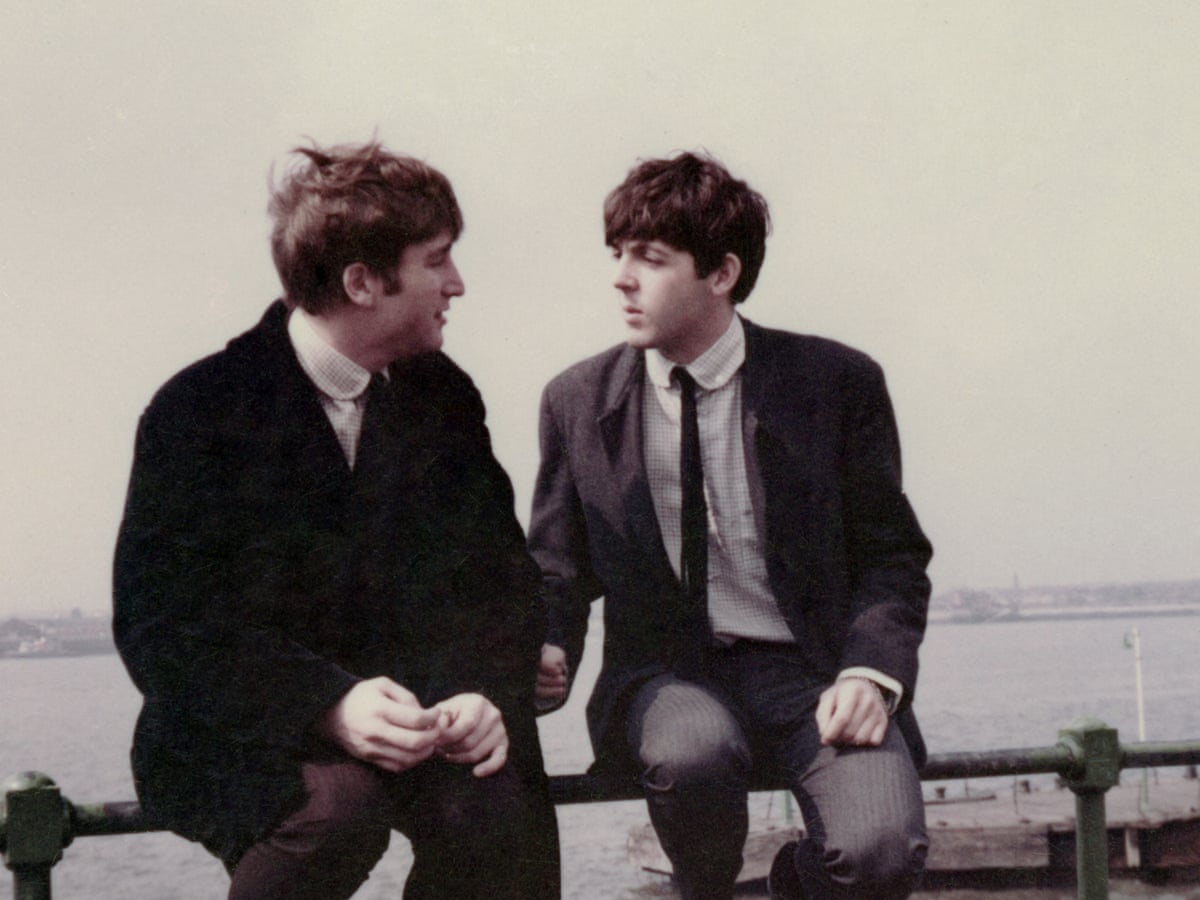
It was a reminder that while bodies leave us, voices—and the love they carry—remain. For one night, the “Fab Four” weren’t broken. For one night, two best friends got to finish a song they started when the world was young.
Paul McCartney wiped a tear from his eye, looked out at the sea of people, and said simply, “I know it’s virtual, but there it is. It’s cool to be singing with John again.”
It was more than cool, Paul. It was everything.