

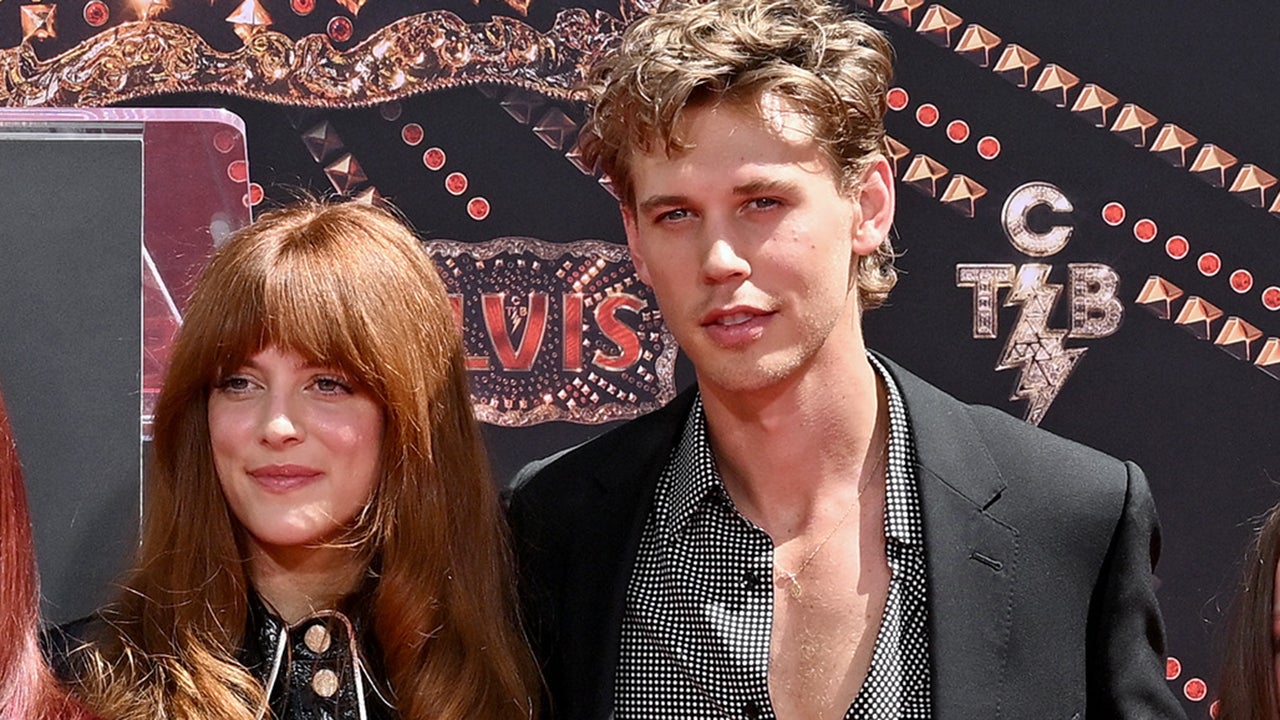
That mockery met its most forceful rebuttal from Riley Keough, the granddaughter of Elvis Presley and the sole heir to the Presley estate. Her response was not defensive bluster; it was a measured declaration rooted in gratitude, respect, and authority.
“Austin Butler has given his heart to my family, so attacking him just because of a voice is incredibly disrespectful,” Keough said in interviews surrounding her own work. The statement carried weight not only because of her proximity to the legacy, but because she framed Butler’s transformation as a gift—an act of service rather than self-indulgence.
Keough’s reaction to the film underscores that point. She revealed that watching Elvis, directed by Baz Luhrmann, left her emotionally overwhelmed for days. Before she had even met Butler in person, she sent him a message thanking him for portraying her grandfather’s humanity rather than mythologizing his excess. For a family long subjected to caricature and exploitation, that distinction mattered deeply.
The toll of Butler’s commitment is well documented. He spent nearly three years immersed in the role, remaining in character throughout extended shoots—many of them during the isolation of the pandemic. He later admitted that the strain likely caused temporary vocal damage, the result of constant singing, dialect work, and dozens of takes per scene. Following production, he even hired a coach to help shed the accent for subsequent roles, including the series Masters of the Air. What some derided as affectation was, in reality, residue from total immersion.
Keough’s defense also reflects her position as the current guardian of the Presley legacy. After the passing of her mother, Lisa Marie Presley, in 2023, Keough became the sole trustee of the estate and the steward of Graceland. Her public support effectively closed the debate: if the family saw Butler’s voice as evidence of devotion, not vanity, the ridicule lost its footing.
In an industry prone to surface-level judgment, Keough transformed sarcasm into silence. Her words reframed the conversation around respect—for craft, for sacrifice, and for a legacy entrusted to her care. By standing beside Butler, she affirmed that honoring Elvis Presley requires seriousness of purpose, not snide commentary—and that true gratitude can still quiet the loudest rooms.