
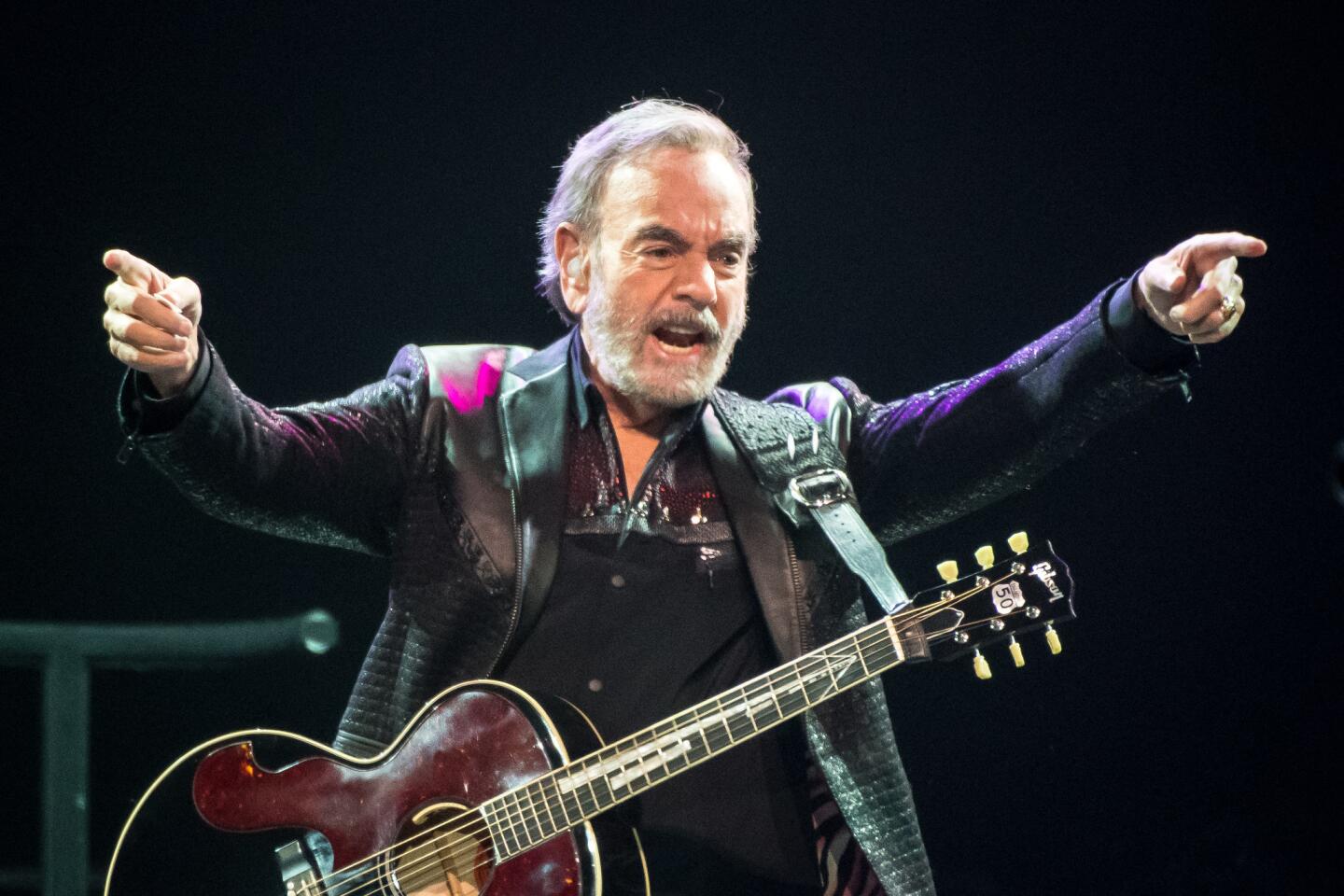

A new chapter is opening in the story of Neil Diamond. With the announcement of the upcoming biographical‑drama film Song Sung Blue—loosely inspired by his music and the cultural sweep of his signature anthem “Sweet Caroline”—we’re invited to revisit the journey of a singer‑songwriter who turned humble beginnings into universal resonance.
Origins: From Brooklyn to the Brill Building
Born January 24, 1941 in Brooklyn, New York, Neil Diamond grew up in a working‑class family and showed early interest in music. He initially pursued pre‑med studies at New York University but found his calling as a songwriter instead.
Working in the famed Brill Building milieu of 1960s New York, Diamond honed his craft writing songs for others. Then in 1966 he penned one of pop’s great hook‑laden anthems: “I’m a Believer,” recorded by The Monkees and becoming a major hit.
This early phase laid the groundwork for something more personal—to step into the spotlight himself, and turn the songwriter’s pen inward.

The Rise: Signature Sound and “Sweet Caroline”
In 1968‑69, Diamond signed with Uni Records and began releasing his own works that blended pop‑rock, soul and a distinctive baritone voice. Among these, “Sweet Caroline” stood out. Released in May 1969, it has since become a cultural touchstone.
The song’s genesis is curious: Diamond once said the inspiration was a magazine photo of young Caroline Kennedy, though he later suggested it may instead have been a personal nod to his then‑wife, with “Caroline” simply fitting the melody.
It wasn’t just another hit—it became a communal anthem. From sports arenas to karaoke nights, “Sweet Caroline” transcended its era.
Diamond’s catalogue in the 1970s grew to include other staples: “Cracklin’ Rosie,” “I Am…I Said,” and the album “Hot August Night” (a live recording that remains highly regarded).
That era defined him—not as a flashy trend‑chaser, but a reliable craftsman of melody, emotion and showmanship.
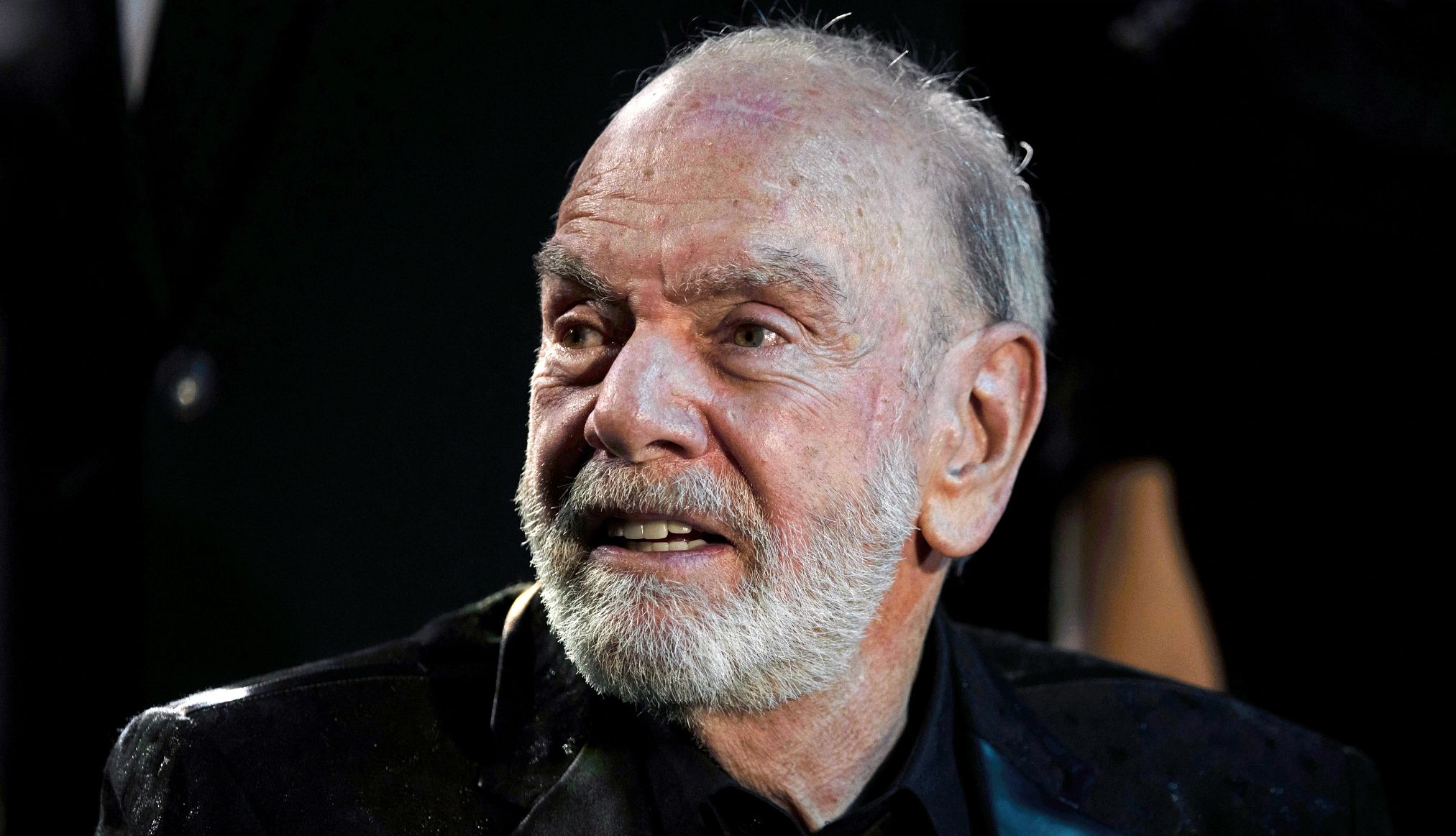 Soul & Substance: Why His Music Endures
What makes Diamond’s work more than just pop nostalgia? A few threads stand out:
-
Authenticity of voice: His husky tone and earnest delivery cut through.
-
Emotive hooks: Songs like “Sweet Caroline” engage listeners beyond casual hearing—inviting participation.
-
Grounded beginnings: Raised among everyday struggles, his songs carry a sense of aspiration and simple truths.
-
Broad appeal: By blending rock, folk and adult contemporary, he reached listeners across generations.
In short: Neil Diamond made songs people could sing along with, feel alongside—and bring into their own lives.
The Next Chapter: Biopic Announcement & What to Expect
The film Song Sung Blue—directed by Craig Brewer and starring Hugh Jackman alongside Kate Hudson—though not a strict biopic of Diamond himself, uses his music and cultural impact as its backbone.
The storyline focuses on a real‑life tribute band story (Mike & Claire Sardina forming “Lightning & Thunder”), and many of Diamond’s hits—“Cherry, Cherry,” “Sweet Caroline” among them—feature in the film.
Why is this significant? Because it signals Diamond’s legacy is not just locked in the past—it’s being reframed and re‑presented to new audiences, through cinema.
Untold Journeys: The Soul Behind the Legend
Beyond the hits and showmanship, here are some lesser‑known facets:
-
He began his career writing for others, including major hits, before inserting himself into the performer’s role.
-
He faced commercial ups and downs—his later albums weren’t always chart‑leaders—but his live performances and catalog kept resonating.
-
In January 2018 he announced retirement from touring after his diagnosis with Parkinson’s disease, though he remains musically active in other ways.
-
His songs have unexpected afterlives: for example, “Sweet Caroline” was added to the U.S. National Recording Registry for its cultural significance.
These dimensions reflect the soul of his journey: a songwriter turned star, a performer turned anthem‑maker, a figure who found voice and community in music.
What This Biopic Means
For fans and newcomers alike, the film announcement offers:
-
A renewed spotlight on Diamond’s work—his catalogue may gain fresh listeners.
-
A reinterpretation of his legacy—not simply a re‑hash of the hits, but a story of influence, community and change.
-
A chance to explore roots—how a Brooklyn teen with a guitar became a global voice in pop music.
If done thoughtfully, it could deepen appreciation for how songs like “Sweet Caroline” came to be more than just hits—they became shared cultural moments.
Looking Ahead
As we await Song Sung Blue’s release later in 2025, here are a few things to keep in mind:
-
Watch for how Diamond’s voice and persona are translated on screen—what’s kept, what’s adapted.
-
Re‑listen to songs like “Sweet Caroline,” “Cracklin’ Rosie,” “I Am…I Said” with fresh ears—what emotions do they stir now?
-
Think about legacy in music: how an artist’s work continues to live long after the studio session.
Ultimately, Neil Diamond’s story reminds us that melody + meaning + moment can create something timeless.
In the end: for a man whose voice asked “Good times never seemed so good,” the journey continues—through memory, through music, and soon, through the silver screen.